

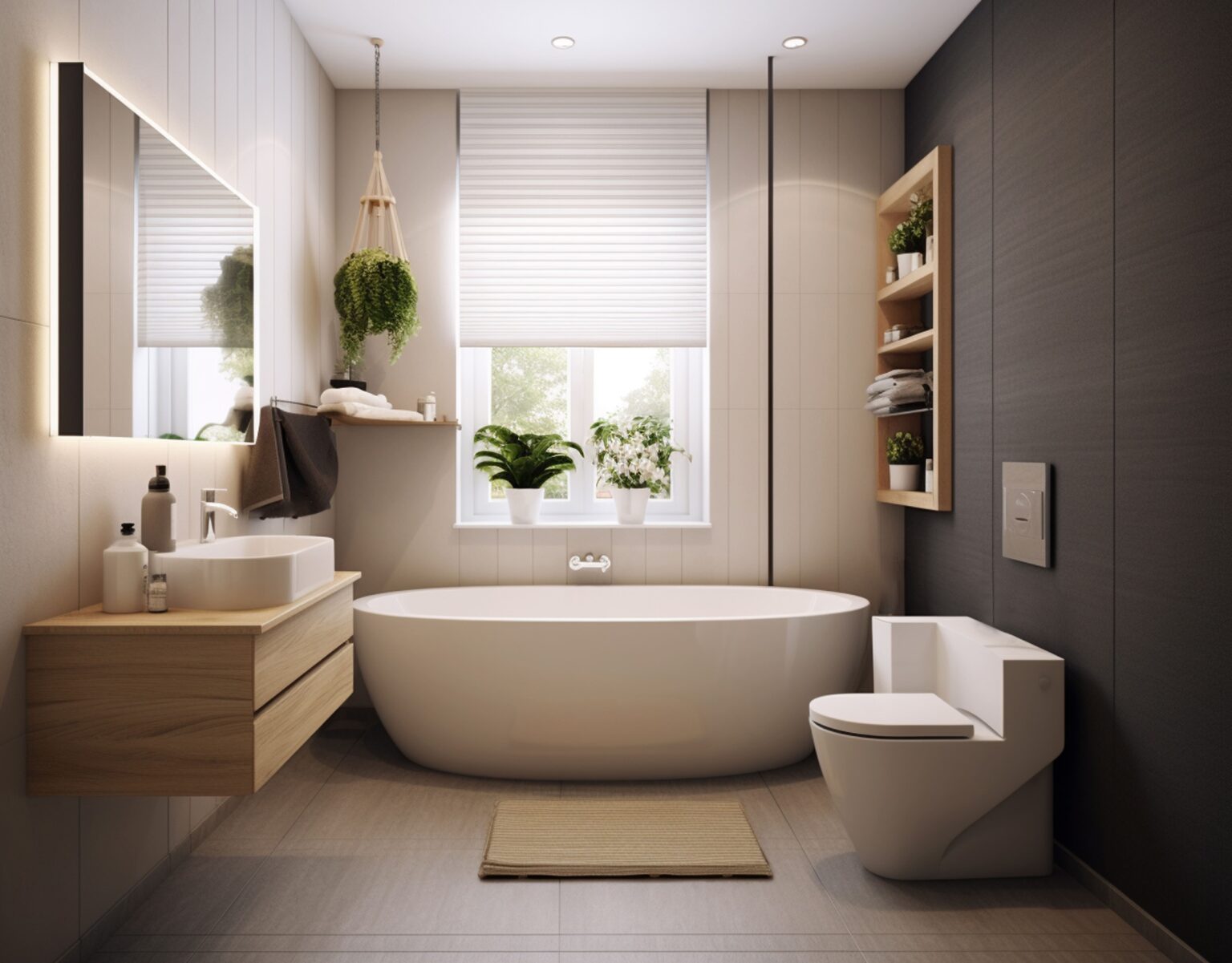
Choosing the right bathtub is a defining moment in any bathroom remodel. It changes not just how the room looks, but how you use it every day. Whether you are aiming for a high-end spa aesthetic or a practical, family-friendly layout, understanding the trade-offs between freestanding and built-in tubs is essential.
At GS Kitchen & Bath, we help you weigh the emotional impact of a “centerpiece” tub against the functional efficiency of a built-in design.
What Is a Freestanding Tub?
A freestanding tub is a sculptural, self-contained unit that sits on the bathroom floor, independent of any walls. It is treated as a piece of furniture, allowing it to be placed anywhere in the room where plumbing can be accessed. They come in various styles, from classic clawfoot designs to modern, minimalist solid-surface shapes.
Ferguson Home+ 2
What Is a Built-In Tub?
A built-in tub (or alcove/drop-in tub) is integrated into the architecture of the bathroom. It is typically enclosed by a tiled or paneled deck, or tucked into an alcove framed by three walls. These tubs are designed to blend into the room, often serving a dual purpose as both a shower and a soaking tub.
Ferguson Home+ 2
Cost and Installation Differences
- Freestanding: Generally involves a higher investment. Beyond the cost of the tub itself, you often need custom floor-mounted plumbing fillers, potential subfloor reinforcement to support the weight, and precision in drain placement.
Royal Bath Place+ 1 - Built-In: Typically more budget-friendly. They utilize standardized plumbing lines and rely on familiar framing and tiling techniques, making them easier and often cheaper to install during a standard remodel.
Bath World of Boston+ 1
Space and Layout Requirements
- Freestanding: Requires “breathing room.” To look intentional and not cramped, a freestanding tub needs open space around it. While they can be used in smaller bathrooms, they generally demand a larger footprint to avoid feeling “stuffed” into a corner.
Modern Bathroom+ 1 - Built-In: The champion of space efficiency. By utilizing walls, you reclaim floor space that would otherwise be lost to the “gap” behind or around a freestanding unit.
Ranney Blair Weidmann Remodeling+ 1
Cleaning and Maintenance Comparison
- Freestanding: Access to all four sides makes the tub shell itself very easy to clean. However, the floor area around and behind the tub can be a challenge. You will need to reach into tight gaps to vacuum or wipe up dust and soap residue.
House Digest+ 1 - Built-In: The tub surface is easy to clean, but the silicone seals and tiled deck require consistent maintenance to prevent mold and mildew buildup in the grout lines.
Which Tub Is Better for Resale?
In 2026, the market leans toward a “spa-wellness” lifestyle.
- Freestanding Tubs act as a value amplifier in primary suites. They function as a visual centerpiece, signaling luxury and attracting buyers who prioritize restorative design.
Streamline Bath+ 1 - Built-In Tubs are essential for family-oriented homes. If your bathroom is the only one with a bathtub, a built-in model (especially a tub-shower combo) is often more practical for buyers with young children, preserving your home’s broader market appeal.
Plumbworld+ 1
FAQ
Is a freestanding tub worth it?
Yes, for personal satisfaction and luxury. They transform a bathroom into a visual statement. If you are renovating a primary suite, they are widely considered a high-value, desirable feature in the 2026 market.
HERA Bathroom
Are freestanding tubs hard to clean around?
They require a bit more effort than a sealed-in tub. You must be able to reach into the gap between the tub and the wall to keep that area dust-free. Choosing a model with a solid base that sits flush to the floor can minimize this chore.
Do built-in tubs add value?
They provide excellent utility. While they may not have the same “wow factor” as a freestanding model, having a functional, well-tiled built-in tub ensures your home remains a “full bath” in real estate listings, which is critical for families.
Which tub is best for small bathrooms?
A built-in alcove tub is usually the best choice for small spaces because it maximizes every inch of square footage. However, compact freestanding tubs (under 60 inches) are becoming increasingly popular for small master baths where you want luxury without sacrificing too much room.
Reece Builders+ 1
Ready to find the perfect tub for your sanctuary? At GS Kitchen & Bath, we specialize in professional bathroom design-build services, ensuring your tub choice is both stunning and functional.
Contact GS Kitchen & Bath today to schedule your design consultation!