

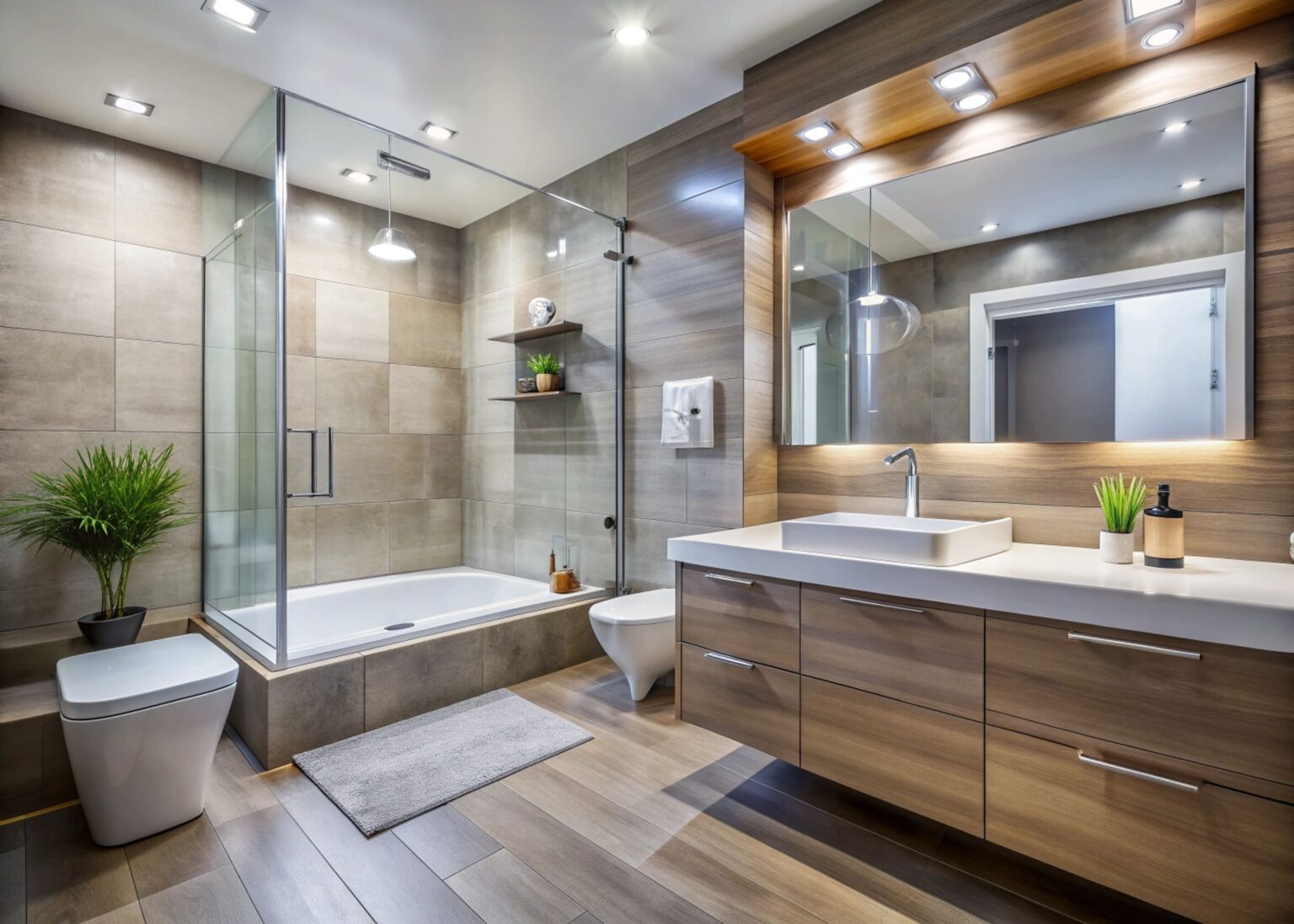
A bathroom remodel is one of the most high-stakes projects a homeowner can undertake. Because bathrooms are small, complex “systems” where plumbing, electrical, and moisture-control intersect, even a minor oversight can spiral into a massive, expensive problem.
At GS Kitchen & Bath, we’ve seen the consequences of “rushed” remodels. Below, we break down the most common pitfalls that homeowners—and even amateur contractors—make, so you can protect your investment and ensure your new space stands the test of time.
Why Bathroom Remodeling Mistakes Are Costly
Unlike a bedroom or living room, a bathroom is a wet environment. A mistake in a kitchen might be an inconvenience, but a mistake in a bathroom (like a failed waterproof membrane) leads to rot, mold, and structural damage that can cost thousands to repair. Every mistake made during the “rough-in” phase is exponentially more expensive to fix once the tile is laid and the vanity is installed.
Layout and Spacing Mistakes
- Ignoring Clearances: Every fixture needs “breathing room.” A common mistake is placing the toilet too close to the vanity or the shower door, making the room feel claustrophobic and difficult to clean. Always check local building codes for minimum clearance requirements (typically 21–30 inches in front of fixtures).
- Blocking Traffic Flow: Don’t let your vanity or a swing-out shower door block the path to the toilet or the entryway. A well-designed bathroom should allow two people to move past each other without collision.
Waterproofing Mistakes
This is the number one mistake in bathroom design.
- Skimping on Membranes: Simply using moisture-resistant drywall (green board) is not enough. You need a dedicated liquid or sheet-applied waterproofing system behind your tile. If water seeps behind your grout, the studs will rot.
- Improper Slope: Curbless or curbed showers require a very specific slope toward the drain. If the floor is level or slopes away from the drain, you will deal with pooling water and persistent mold issues.
Ventilation and Moisture Problems
- Undersized Exhaust Fans: A quiet fan isn’t necessarily a powerful one. If your fan cannot move the volume of air required for your square footage, your bathroom will remain damp, leading to peeling paint and mold on the ceiling.
- Lack of Air Intake: If your bathroom door fits too tightly, your fan won’t work efficiently. Ensure there is a small gap at the bottom of the door to allow air to circulate from the rest of the house into the bathroom and out the fan.
Lighting and Storage Mistakes
- Only Using One Overhead Light: Never rely on a single light source in the center of the room. This casts shadows on your face when you’re at the vanity. You need layered lighting: task lighting at the vanity (sconces are best), ambient ceiling light, and focused lighting in the shower.
- Underestimating Storage: A beautiful, minimalist bathroom with no place to put your hairdryer, towels, or skincare products will be messy within a week. Plan for hidden storage—like recessed medicine cabinets or wall niches—from day one.
Choosing Materials That Do Not Last
- Porous Stone in Wet Zones: While marble is beautiful, it is highly porous and prone to staining and etching from soap, shampoo, and toothpaste. If you aren’t prepared to seal it religiously, choose high-quality porcelain tile that looks like marble.
- Low-Quality Plumbing Hardware: When you hide your plumbing behind a wall, use high-quality brass or stainless steel valves. Replacing a cheap, leaking valve after the tile is up is a demolition job you want to avoid.
FAQ
What should you not do in a bathroom remodel?
Do not skip the waterproofing process and do not buy your fixtures before you have a finalized layout. Designing “on the fly” leads to incorrect plumbing rough-ins, which are extremely costly to relocate.
What is the most expensive part of remodeling a bathroom?
Labor—specifically the plumbing, electrical, and tile installation—is the largest cost. Moving plumbing and electrical lines is significantly more expensive than the cost of the tiles or the vanity itself.
What comes first in a bathroom remodel?
The design and planning phase. You must have a complete floor plan, select your fixtures, and create a budget (including a 20% contingency fund) before any demolition starts.
How do I avoid bathroom remodel delays?
Order your materials before demolition begins. Many projects stall because the client is waiting on a backordered vanity or a specific tile shipment. Ensure every product is on-site or confirmed for delivery before the first hammer swings.
Ready to start your remodel with confidence? At GS Kitchen & Bath, we specialize in professional design-build services that prioritize structure, waterproofing, and high-end aesthetics. Don’t leave your bathroom to chance.
Contact GS Kitchen & Bath today to schedule your design consultation and get your project started right!