

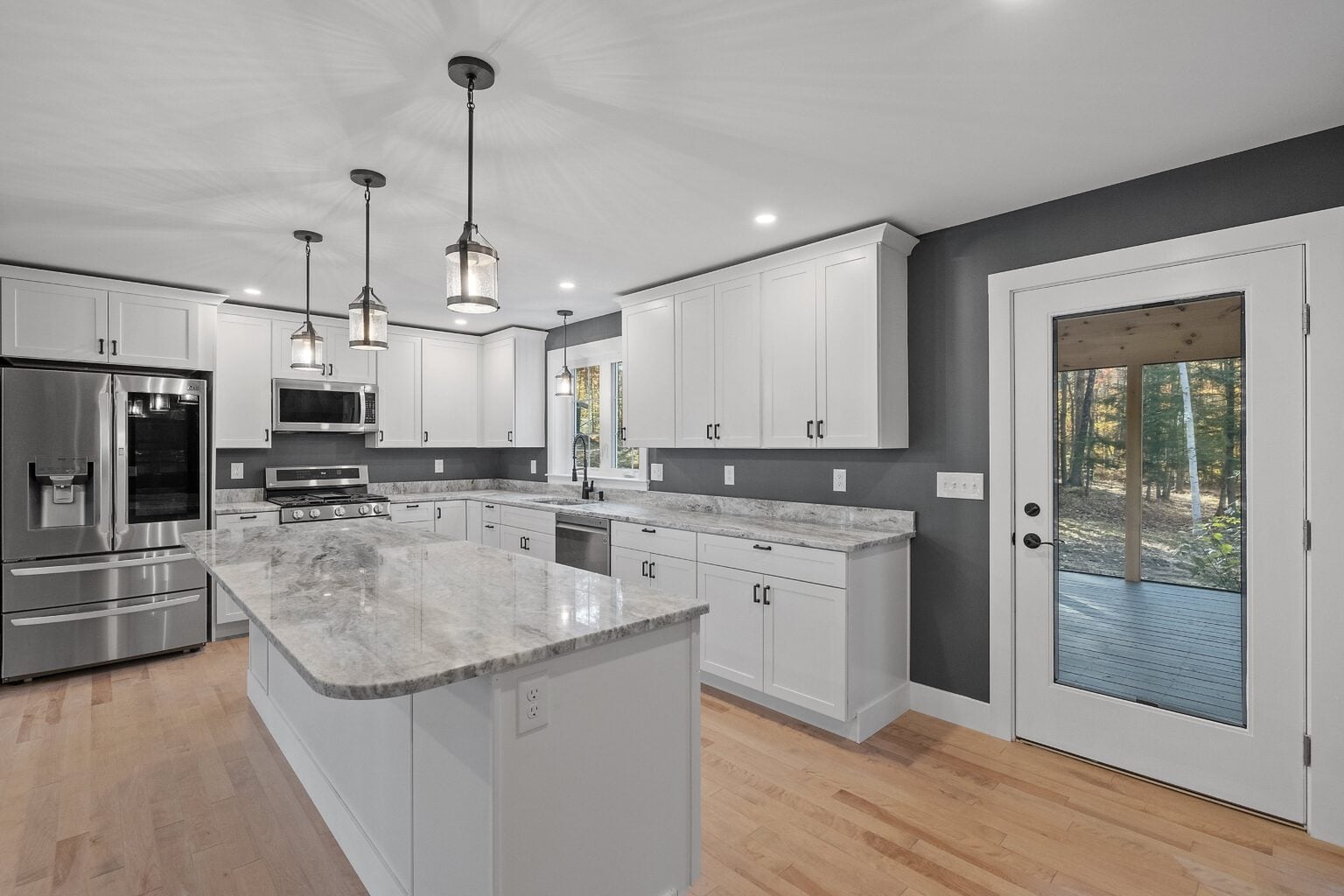
A dream kitchen—complete with custom cabinetry, professional-grade appliances, and stunning quartz countertops—is one of the best investments you can make in your home. However, the upfront cost can be daunting. The good news? You don’t have to wait years to save every penny before starting your project.
At GS Kitchen & Bath, we believe financial transparency is key to a stress-free renovation. Here is everything you need to know about financing your kitchen remodel.
Quick Answer: Can Kitchen Remodeling Be Financed?
Yes. Kitchen remodeling is one of the most common reasons homeowners seek financing. Because kitchens offer one of the highest Returns on Investment (ROI) in real estate, lenders view these projects favorably.
Common financing options
Most homeowners choose between Personal Loans, Home Equity Loans, HELOCs, or Contractor-led financing. The “right” choice depends on how much equity you have in your home and how quickly you want the funds.
Why project size and home equity matter
If you have significant equity in your home, you can often secure lower interest rates through equity-based loans. For smaller cosmetic updates (like just replacing countertops and backsplash), a personal loan or even a high-limit credit card with a 0% APR intro period might be more efficient.
How Kitchen Remodel Financing Works
Estimating your budget before applying
Before talking to a lender, you need a realistic number. At GS Kitchen & Bath, we recommend getting a detailed quote that breaks down materials (cabinets, stone, tile) and labor.
Understanding monthly payments
Financing turns a $30,000 project into a manageable monthly expense. Depending on the term (5 to 15 years), your payment might range from $300 to $600 per month—often less than a car payment.
Comparing fixed vs. variable rates
- Fixed Rates: Your payment stays the same for the life of the loan (standard for Personal and Home Equity Loans).
- Variable Rates: Your interest may fluctuate with market conditions (common with HELOCs).
Why contingency funds matter
Always finance 10-20% more than the initial estimate. In renovation, “surprises” behind walls are common. Having this buffer pre-approved prevents project stalls.
Popular Kitchen Remodel Financing Options
Personal Loans
- Best for: Medium-sized remodels ($15k–$50k) where you want funds quickly without using your home as collateral.
- Pros: Fast approval, fixed payments, no home appraisal required.
Home Equity Loans
- Best for: Large, “gut-to-studs” renovations.
- Pros: Lower interest rates than personal loans and potential tax deductibility (consult your CPA).
HELOCs (Home Equity Line of Credit)
- Best for: Phased remodeling. If you’re doing cabinets now and floors next year, a HELOC lets you draw only what you need, when you need it.
- Pros: You only pay interest on what you actually spend.
Credit Cards
- Best for: Small DIY updates or finishing touches.
- Warning: Only use this if you can pay it off during a 0% interest promotional period. Standard credit card rates (20%+) will quickly erase the value added to your home.
Cash Savings
- Pros: No interest, no debt.
- Cons: It can take years to save, during which material and labor costs usually rise, potentially offsetting the “interest” you saved.
Contractor Financing
Many specialized kitchen firms offer “same-as-cash” or low-interest financing through third-party partners.
- Questions to ask: “Is there a prepayment penalty?” and “When does the interest start accruing?”
How Much Can You Finance for a Kitchen Remodel?
The loan amount typically aligns with the scale of the project:
- Budget Remodels ($15k – $25k): Focuses on “refreshes”—painting cabinets, new hardware, and entry-level stone countertops.
- Mid-Range Remodels ($30k – $65k): High-quality semi-custom cabinets, premium quartz/granite, and new appliances.
- High-End Remodels ($75k+): Custom cabinetry, luxury stone waterfalls, structural changes, and top-tier lighting/flooring.
Note: The choice of stone and cabinet grade are the two biggest variables affecting your loan amount.
What to Consider Before Financing a Kitchen Remodel
- Interest Rate: A 1% difference can cost thousands over 10 years.
- Monthly Payment: Ensure it fits comfortably within your debt-to-income ratio.
- Home Value and ROI: Aim to spend between 5% and 15% of your home’s total value on a kitchen remodel to maximize resale profit.
- Contractor Payment Schedule: Lenders often release funds in “draws” based on project milestones (e.g., 30% at signing, 40% at cabinet delivery, 30% at completion).
Kitchen Remodel Financing Mistakes to Avoid
- Borrowing before finalizing the scope: Changing your mind mid-project can lead to budget overruns that your loan doesn’t cover.
- Not comparing options: Don’t just take the first offer from your primary bank.
- Forgetting the “Hidden Costs”: Permits, design fees, and temporary kitchen setups (eating out) should be included in your loan request.
FAQ
What is the best way to finance a kitchen remodel?
For most, a Home Equity Loan offers the best balance of low interest and predictable payments. For speed, a Personal Loan is best.
Should I finance cabinets and countertops?
Yes. These are the “bones” of your kitchen. It is better to finance high-quality materials that last 20 years than to pay cash for cheap materials that need replacing in five.
Does financing a kitchen remodel increase home value?
Absolutely. A modern, functional kitchen is the #1 feature buyers look for. Often, the value added to the home exceeds the cost of the loan interest.
Can a contractor help with financing?
Many contractors, including specialized design-build firms, have partnerships with lenders to offer streamlined “one-stop” shopping for both the project and the payment plan.
Plan Your Project with GS Kitchen & Bath
Ready to see what’s possible for your budget? We provide detailed estimates that help you secure the right financing for your needs. Whether you’re planning a quick refresh or a total transformation, our team is here to guide you.
Get Your Project Estimate Today.