

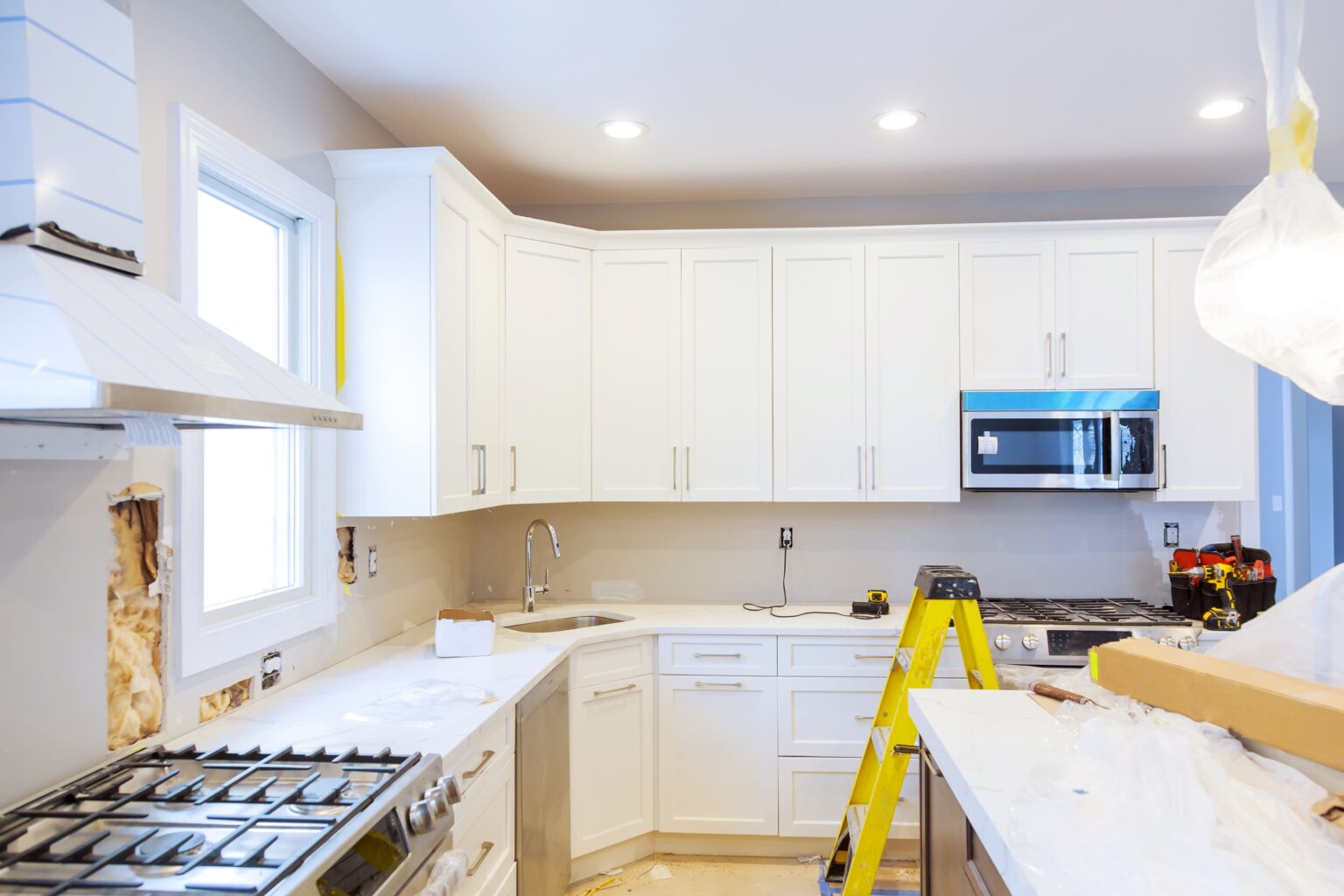
A successful renovation doesn’t just start with a dream; it starts with a reality check. Whether you are updating a single bathroom or gutting a kitchen, the difference between a project that brings joy and one that brings stress often comes down to how effectively you managed your budget.
At GS Kitchen & Bath, we guide our clients through the “hidden” side of costs to ensure their financial plan is as sturdy as their new cabinets.
Quick Answer: How Much Should You Budget for Remodeling?
There is no “one-size-fits-all” number, but a common professional benchmark is to spend no more than 30% of your home’s total value on a major renovation. For specific projects, costs vary wildly: a minor kitchen refresh might start at $27,000, while a high-end, full-scale kitchen remodel can easily exceed $150,000. Your best move? Define your scope first, then set a 10–20% contingency fund to handle the inevitable “unseen” issues.
Why Remodeling Budgets Vary
A “kitchen remodel” can mean replacing cabinet doors, or it can mean gutting the floor, moving walls, and upgrading electrical service. The disparity in price comes down to complexity. Every time you move a wall, reroute a pipe, or change a layout, you aren’t just paying for the material—you’re paying for the specialized labor and potential code upgrades required to do it safely.
Main Factors That Affect a Remodeling Budget
- Project Scope: Is this a “refresh” (cosmetic) or a “remodel” (structural)? Cosmetic updates are predictable; structural changes are not.
- Materials: High-end finishes (quartz, custom cabinetry) look better and last longer, but they come at a premium compared to off-the-shelf alternatives.
- Labor & Trades: Skilled professionals (plumbers, electricians, tile installers) are your best investment. Trying to save here by hiring unlicensed help often leads to “double-paying” to fix mistakes later.
- Structural Changes: Relocating “hidden” infrastructure—plumbing, gas, and electrical—is the single fastest way to drive up costs.
- Permits & Codes: Never skip this. Permits ensure your project is legal and safe. If you find a hidden issue (like outdated wiring), local codes may require you to bring that entire section of the house up to current standards.
Setting Priorities: Needs vs. Wants
Before you look at tile samples, list your project elements in two columns: Needs (functional, long-term investments) and Wants (aesthetic, easily swappable items).
- Needs: Waterproofing behind tile, proper ventilation, durable plumbing, and electrical capacity.
- Wants: Designer light fixtures, trendy cabinet hardware, or high-end accessories. If your budget gets tight, you can delay the “Wants” until next year, but you can never “add” the “Needs” once the walls are closed back up.
The “Golden Rule” of Contingency
In a renovation, the unknown is guaranteed. If you are working in an older home, set aside 15–20% of your total budget as a contingency fund. For newer homes, you might get away with 10%. This fund is not “extra money to spend”—it is your insurance policy for when the contractor opens a wall and finds outdated wiring or water damage.
Where to Splurge vs. Save
- Splurge on “Fixed” Elements: Spend your money on things that are impossible or expensive to change later: cabinetry, countertops, high-quality plumbing fixtures, and proper waterproofing.
- Save on “Swap-ables”: You can save money by opting for mid-range lighting, mirrors, or hardware. If you change your mind in three years, these are simple weekend projects to upgrade.
Common Remodeling Budget Mistakes
- Setting a Budget Before Defining Scope: Never pick a number before you know exactly what work is required.
- Choosing the Cheapest Bid: Often, the “low-ball” bidder has left out essential costs or plans to hit you with “change orders” (price hikes) mid-project.
- Ignoring Ventilation: Skimping on a quality bathroom fan leads to mold, which will destroy your new cabinets and tile within years.
- Leaving Out Disposal Fees: Demolition creates a massive amount of debris. Ensure your budget includes dumpster rentals and cleanup costs.
FAQ
How do I create a remodeling budget?
Start by defining your full scope of work, obtaining itemized quotes from professionals, and adding 10–20% for contingency. Prioritize “fixed” infrastructure costs before allocating funds to finishes.
What is a realistic renovation contingency?
For standard remodels, 10% is the minimum. If you are renovating an older home where “surprises” are likely, aim for 15–20%.
What should I spend more on in a remodel?
Always invest in high-quality “fixed” elements like cabinetry, countertops, and professional-grade plumbing/electrical installation. These protect your home’s integrity and value.
Why do remodeling projects go over budget?
Usually, it’s due to “scope creep” (adding items mid-project) or finding hidden issues like mold, rot, or outdated wiring once demolition begins.
How do contractors estimate remodeling costs?
Contractors estimate based on current labor rates, material costs, and their experience with similar projects. Always ask for an itemized bid so you can compare “apples to apples” between different pros.
Planning a project and need an expert eye? At GS Kitchen & Bath, we help you create a clear, realistic budget so you can focus on the design, not the stress. Contact us today to schedule your consultation!