

Deciding between a curbless (zero-entry) shower and a traditional curbed shower is one of the most impactful choices you can make during a bathroom renovation. It’s not just a matter of aesthetics; it’s a decision that affects your bathroom’s functionality, long-term maintenance, and even your home’s future marketability.
At GS Kitchen & Bath, we’ve installed both systems in countless homes. While the “spa-like” appeal of a curbless design is undeniable, we believe in helping you choose the system that actually fits your floor structure, budget, and lifestyle.
Quick Answer: Curbless or Traditional Shower?
Choose a curbless shower if you are planning to “age in place,” require ADA-compliant accessibility, or are creating a luxury master suite where a seamless, open-concept aesthetic is your top priority. Choose a traditional curbed shower if you have a tighter renovation budget, an existing floor structure that cannot be easily recessed, or if water containment (preventing any splash outside the shower) is your primary concern.
What Is a Curbless Shower?
A curbless shower—often called a “zero-entry” or “walk-in” shower—is designed so the floor is completely level from the bathroom into the shower area. There is no step-over barrier. It creates a continuous, unbroken floor plane that makes the room feel significantly larger and more cohesive.
What Is a Traditional Shower?
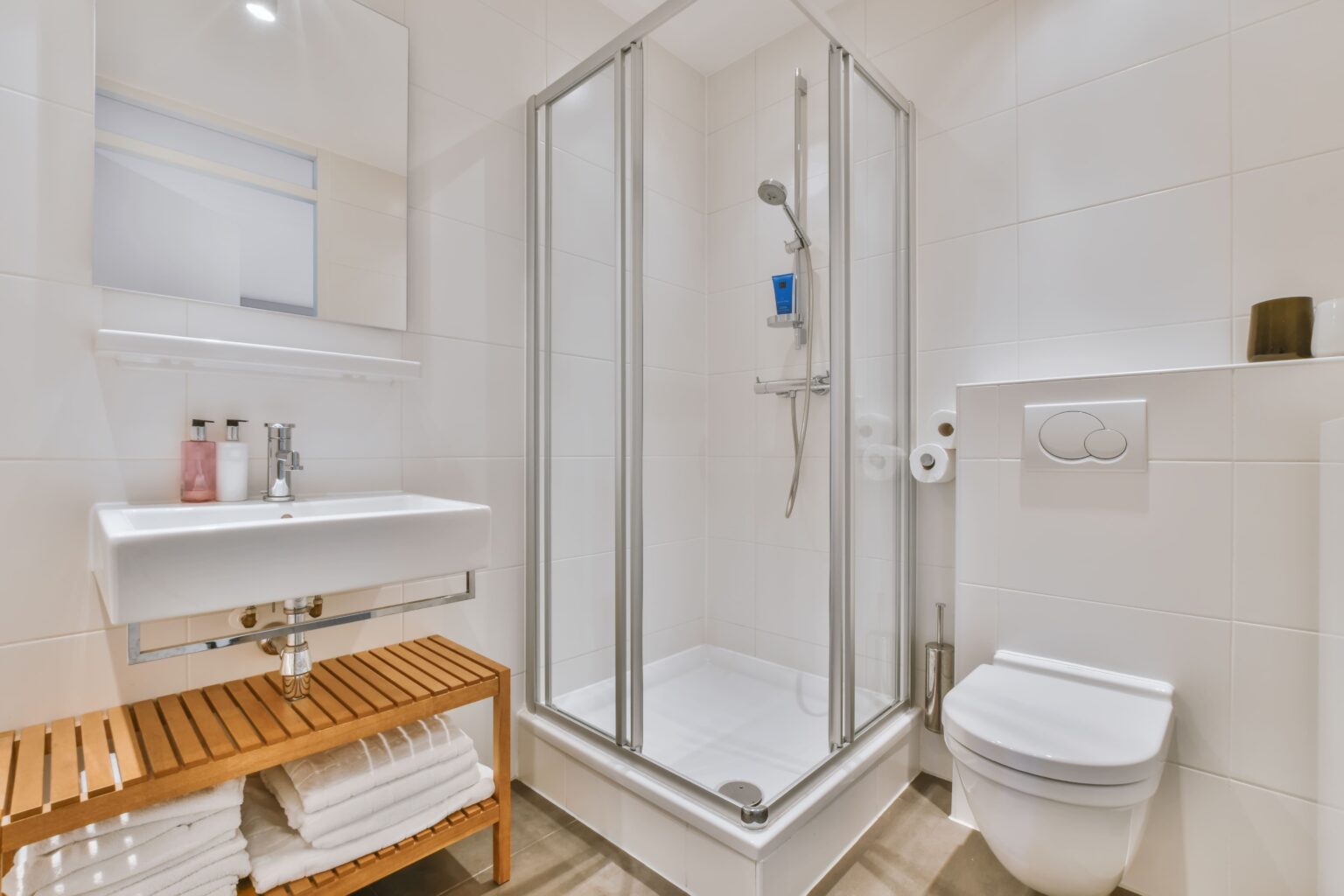
A traditional shower features a raised curb (threshold) at the entrance, usually 4 to 6 inches high. This curb acts as a physical barrier that holds water inside the shower basin, providing a “safety net” for drainage and preventing water from migrating into the rest of the bathroom.
Curbless Shower Pros and Cons
Pros
- Universal Accessibility: Eliminates trip hazards; perfect for wheelchair or walker access.
- Modern Aesthetic: Creates a clean, minimalist look that makes small bathrooms appear larger.
- Easier Maintenance: Fewer grout lines and no curb seam to scrub makes cleaning faster.
- Resale Appeal: Highly sought after by buyers looking for “future-proof” or luxury homes.
Cons
- Installation Complexity: Requires significant floor modification, precise sloping, and expanded waterproofing.
- Cost: Generally costs $3,000 to $8,000+ more than a curbed installation due to labor and specialized materials.
- Water Management: Without a curb, your splash-control strategy (glass placement, showerhead direction, and slope) must be perfect.
Traditional Shower Pros and Cons
Pros
- Reliable Water Containment: The curb acts as a physical dam, keeping water contained even if the drain is slow.
- Cost-Effective: Simpler construction and materials mean lower labor and installation costs.
- Easier Retrofitting: Fits easily into most existing bathroom footprints without major structural changes to the floor joists.
Cons
- Accessibility Barrier: The step-over curb can be a tripping hazard or a physical barrier for those with limited mobility.
- Visual Break: The curb creates a “cut-off” in the flooring, which can make a small bathroom feel smaller.
Which Shower Is Better for Small Bathrooms?
It’s a paradox: Curbless showers make small bathrooms feel larger because of the continuous floor, but traditional showers are often easier to install in small bathrooms because they don’t require the complex floor-recessing and wide “wet zones” that zero-entry designs need to manage water flow. If your bathroom is tiny and you choose curbless, you must be prepared to invest more in high-end glass partitions to ensure the rest of your bathroom stays dry.
Which Shower Adds More Value?
A curbless shower generally adds more resale value, particularly in high-end markets and for homes marketed toward aging populations. It signals a modern, high-quality renovation. However, a poorly built curbless shower that leaks is a liability; a perfectly executed traditional shower is always more valuable than a “trendy” curbless one that has caused water damage.
Waterproofing and Drainage Considerations
The success of a curbless shower hinges entirely on waterproofing.
- Slope: The floor must be sloped precisely (usually 1/4 inch per foot) toward a linear or point drain to ensure water doesn’t pool.
- Membrane: Unlike traditional showers where the curb provides a safety net, curbless waterproofing must be a continuous, “bonded” system that extends well outside the shower area.
- Drains: Linear drains are the gold standard for curbless showers because they allow for a “single-plane” slope, which makes installing large-format tile much easier.
FAQ
Is a curbless shower worth it?
For the majority of master suite remodels, yes. The safety, ease of cleaning, and modern design are significant upgrades. If you are on a strict budget, the value proposition is lower.
Do curbless showers leak?
Only if they are built incorrectly. If your contractor uses high-quality bonded waterproofing membranes and performs a proper “flood test” before tiling, a curbless shower is as watertight as a traditional one.
Are curbless showers good for resale?
Yes. They are increasingly considered a “gold standard” feature for luxury and aging-in-place buyers.
Is a curbless shower more expensive?
Yes, primarily due to the labor involved in modifying floor structures and the requirement for expanded waterproofing systems.
Can any bathroom have a curbless shower?
Not necessarily. Homes built on concrete slabs often require expensive and complex cutting to recess the floor. Always have a contractor evaluate your floor framing before committing to this design.
Planning to upgrade your bathroom?
At GS Kitchen & Bath, we specialize in professional waterproofing and custom shower systems that look stunning and stand the test of time. Contact us today to get an expert assessment of your space and find out which shower system is right for your home!